Hitachi Lumada AI
Building a multi-agent framework with LangGraph to exploit Hitachi's combined IT and OT knowledge.
More frequently, I hear talk about highly specialized small agents in a multi-agent frameworks.
CrewAI, LangGraph, MetaGPT, LlamaIndex, Autogen are the most famous ones used in interesting application such as:
📨 Automating the process of checking new emails and creating drafts based on internal know-how.
👨💼 Replicating the structure of a software company (each agent is trained on their job profile), where from a single line requirement as input, it outputs competitive analysis, data structures, APIs, documents, software repository (see Pythagora 🤯)..
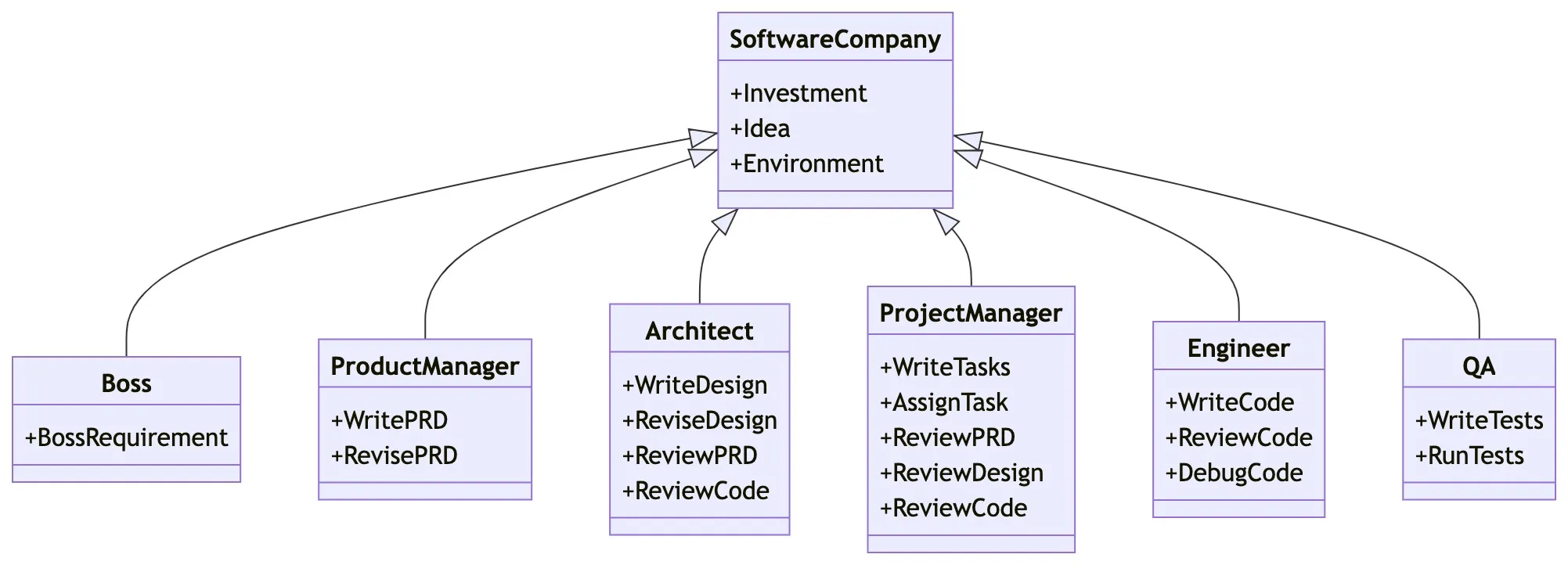
Working at one of the Hitachi companies, gave me the inspiration to build a multiagent framework to exploit the huge amount of knowledge in information technology (IT) business as well as the operational technology (OT), a special combination that only a few companies can afford.
Therefore, by looking at the Lumada concept, I tried to build an application with LangGraph, where each agent is trained on the respective company data (scraped from the website section: products and solutions) and the supervisor (LumadaAI) can choose a specific agent (company) to perform the RAG (retrieval augmented generation) on the training data. In addition, I have added two agents called “Researcher” and “Coder” to perform a general web search and basic data analysis calculations.
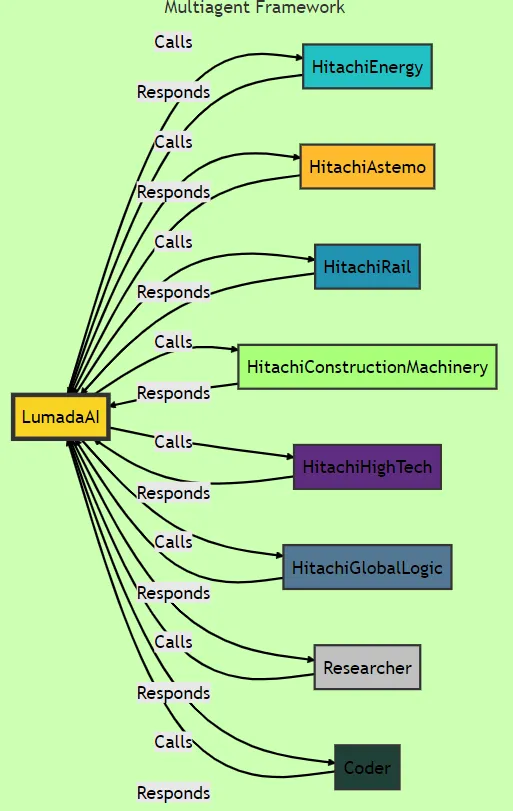
In this framework, each agent is a node in the graph, and their connections are represented as an edge. The control flow is managed by edges, and they communicate by adding to the graph’s state.
With LangGraph I could create a cyclical and non-linear workflows where the agents can revisit and refine their actions based on new data, leading to more accurate and efficient outcomes. Specialization, collaboration, flexibility and scalability are the main advantages of this kind of multi-agent systems.
This is a basic prototype and many improvements are possible:
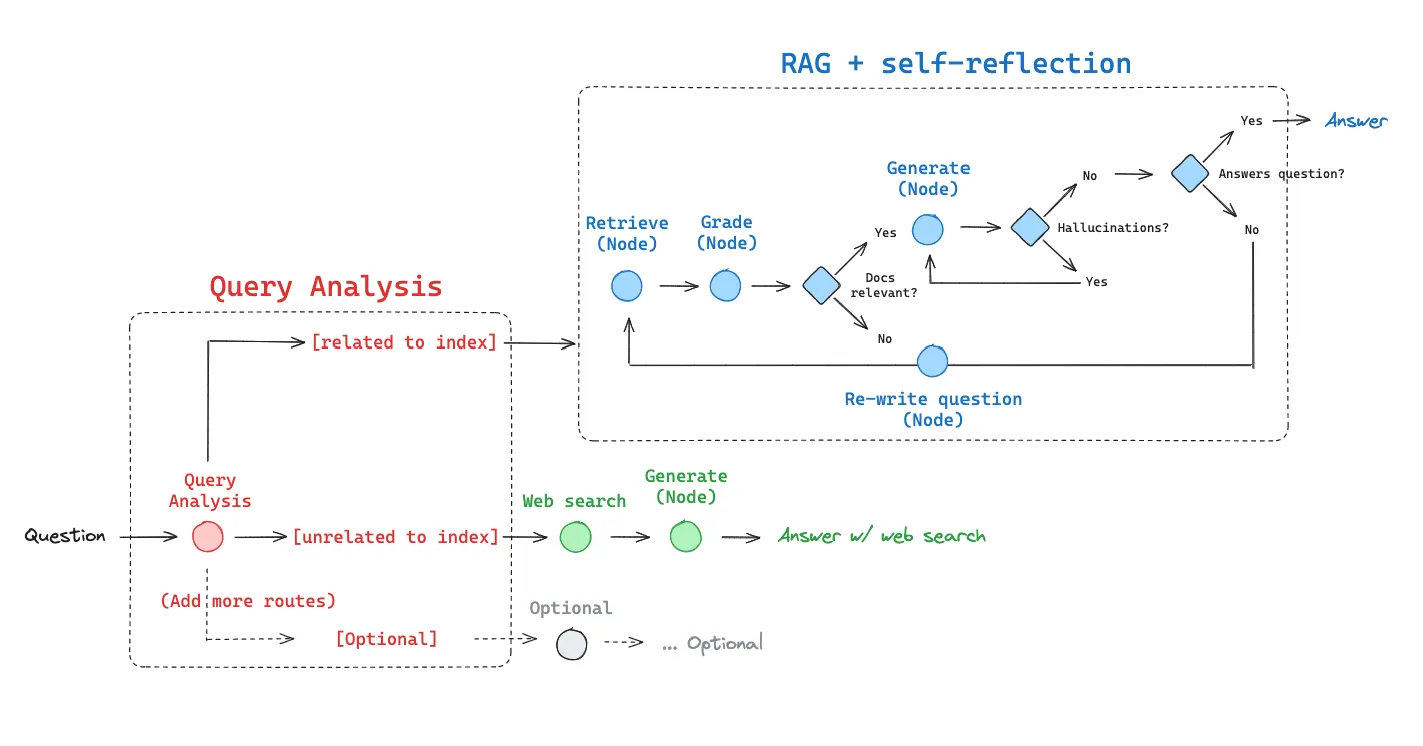
- Improve the RAG code with a self-corrective logic (which incorporates self-reflection / self-grading on retrieved documents)
- Increase the number and quality of training data
- Add an agent trained on the customer’s data
- Improve the quality of the user prompt
In the example below, I asked LumadaAI to support me in the planning, building, operating and maintaining of a new hospital.
The tool is retrieving information from Hitachi Energy, Hitachi Astemo, Hitachi HighTech, Hitachi Rail, Hitachi Construction Machinery and GlobalLogic.
🟢 I believe this kind of application can enhance the general human creativity and support many jobs by reducing the complexity of the problem, combining a huge amount of data, to come up with new products and solutions.
“Coined from the words “illuminate” and “data”, the name Lumada embodies our goal of shining a light on our customers’ data and illuminating it in such a way that we can extract new insight, thereby resolving our customers’ business issues and contributing to their business growth.“
“Toward singularity, through the energy transition.”